ISO/TS 24971-2 Published: Practical Guidance on Applying ISO 14971 to Machine Learning Medical Devices
ISO/TS 24971-2 has now been published, providing practical guidance on applying ISO 14971 to machine learning-enabled medical devices. As a member of the ISO/IEC Joint Working Group responsible for developing the specification, I wanted to share the key takeaways and what they mean for manufacturers developing AI-enabled Medical Device Software (MDSW)
A new milestone for AI-enabled medical devices
One question that has become increasingly relevant over the last few years is how ISO 14971 should be applied to machine learning-enabled medical devices.
With the publication of ISO/TS 24971-2, manufacturers now have dedicated technical guidance describing how the principles of ISO 14971 can be applied throughout the lifecycle of ML-enabled medical devices.
As members of the ISO working group responsible for developing the specification, we at NorMed Consulting are pleased to see the publication of this important document.
Why this matters
Machine learning introduces considerations that extend beyond traditional software development.
Manufacturers must consider topics such as:
- dataset quality and representativeness
- algorithm training and validation
- model updates and change management
- performance monitoring
- bias and generalizability
- human oversight
- post-market performance monitoring
ISO/TS 24971-2 provides practical guidance for incorporating these aspects into an ISO 14971 compliant risk management process.
Who should read it?
This publication is particularly relevant for:
- AI/ML Software as a Medical Device (SaMD)
- Clinical Decision Support Software
- Digital Therapeutics
- Imaging AI
- Predictive analytics
- Connected medical software
It will also be valuable for regulatory, quality, software, clinical and risk management professionals working with AI-enabled medical devices.
Practical implications for manufacturers
Many startups developing AI-enabled medical devices face similar questions:
- How should AI-specific hazards be identified?
- How should training data be documented?
- How should performance degradation be monitored?
- How should model updates be managed?
- How should verification and validation be adapted for machine learning?
ISO/TS 24971-2 provides practical guidance that complements ISO 14971 by addressing these questions within an established risk management framework.
How NorMed Consulting can help
Developing AI-enabled medical devices requires more than software expertise. Manufacturers must demonstrate that AI-related risks have been systematically identified, evaluated, controlled and monitored throughout the product lifecycle while satisfying regulatory expectations under the EU MDR and FDA frameworks.
At NorMed Consulting, we support startups and established manufacturers with:
- AI/ML regulatory strategy
- ISO 14971 risk management
- Clinical Evaluation (ISO 18969)
- Software lifecycle processes (IEC 62304)
- Usability Engineering (IEC 62366-1)
- FDA regulatory submissions
- EU MDR Technical Documentation
- Quality Management Systems (ISO 13485)
Having contributed directly to the development of ISO/TS 24971-2, we are well positioned to help manufacturers interpret and apply the guidance in a practical and proportionate manner.
Looking ahead
The publication of ISO/TS 24971-2 represents another important milestone in the continued evolution of risk management for modern medical devices.
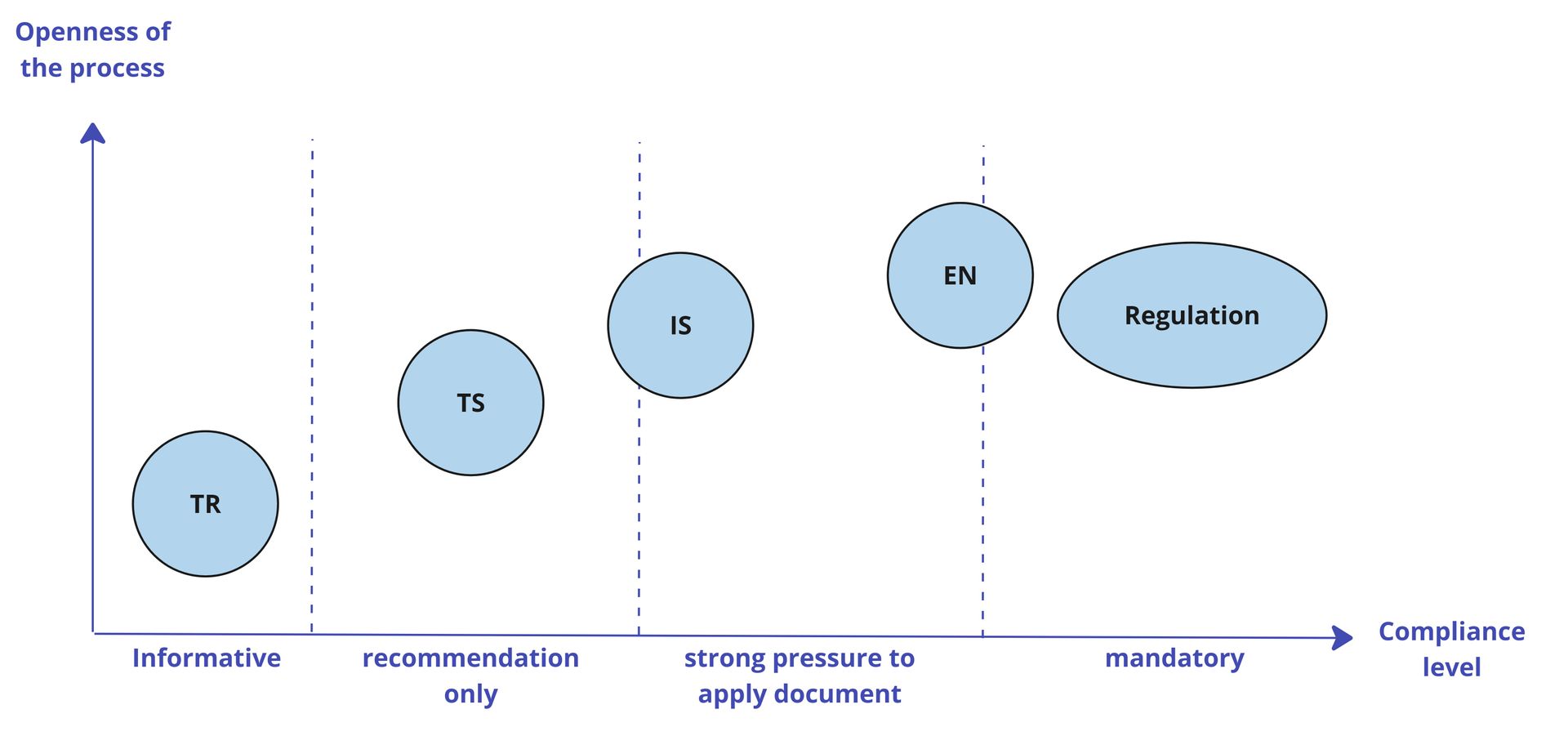
Work is already progressing on ISO/TS 24971-3, addressing combination products, while revisions to ISO/TR 24971-1 are expected to further strengthen guidance on the practical application of ISO 14971.
Need support?
Whether you are an early-stage startup developing your first AI-enabled medical device or an established manufacturer expanding an existing portfolio, NorMed Consulting can help navigate the regulatory, clinical and risk management challenges associated with AI/ML medical technologies.
Set up a free scoping meeting today!
📚 Further information and sources:
ISO/TR 24971-1: https://www.iso.org/standard/74437.html
ISO/TS 24971-2:
https://www.iso.org/standard/24971-2
ISO/TS 24971-3: https://www.iso.org/standard/91186.html